

How to Print Screen on a Mac, 6 different ways to capture screenshot on a Mac
If you Googled “How to do Print Screen on a Mac,” you recently switched from Windows to a shiny Mac and have no idea where to find the “Print Screen” button, which is present on most keywords designed for Windows. There are some exceptions, but almost all Windows keyboards have the “Print screen” button somewhere. Unfortunately, there is no such button on your Mac, but it doesn’t mean that you can’t take a screenshot; you can, but the process is a bit more complicated harder to memorize but is much more flexible when it comes to output and what you are specifically looking to capture in a screenshot.
There are 6 (!) different ways to capture a screenshot on your Mac, 3 different approaches with 2 separate outputs for each, but I use only two. I call myself a heavy Mac user, and I have taken thousands of screenshots in the last year alone that are all published on these WordPress theme collections. I have no idea how many are there, but I am sure that at least tens of thousands of screenshots are all captured using macOS Monterey.
I originally decided to write this tutorial because dozens of people have asked how I have created all those screenshots on this website. I will leave this blog post as a reference to anyone asking the same question again.
Table of contents
How to Capture Print Screen on a Mac
1. Method (Capture Entire Screen)
1.1 Capture the entire screen area and save it to the clipboard
Command ⌘ + Control + Shift + 3
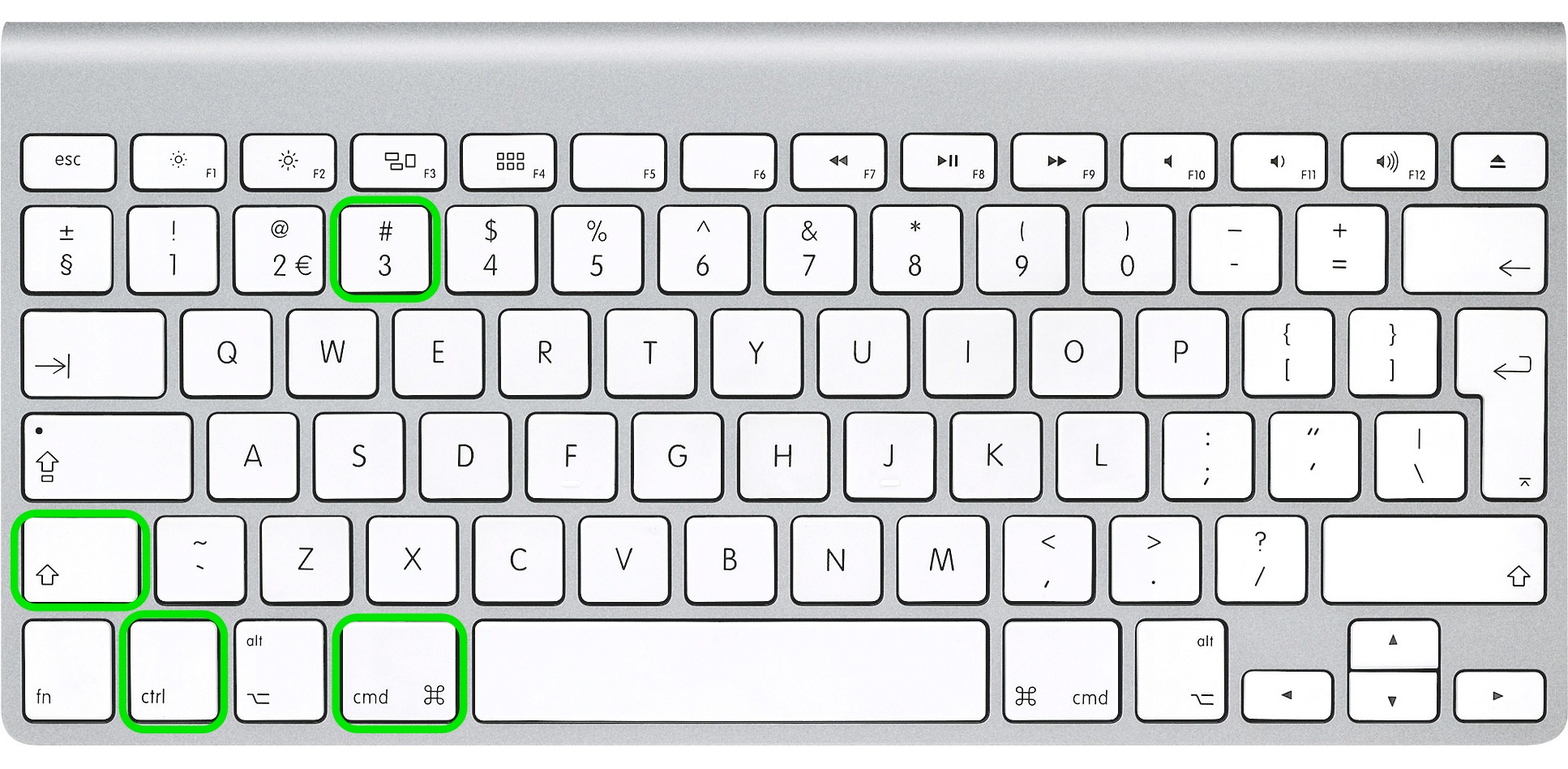
1.2 Capture entire screen area and save it to a file on your desktop
Command ⌘ + Shift + 3
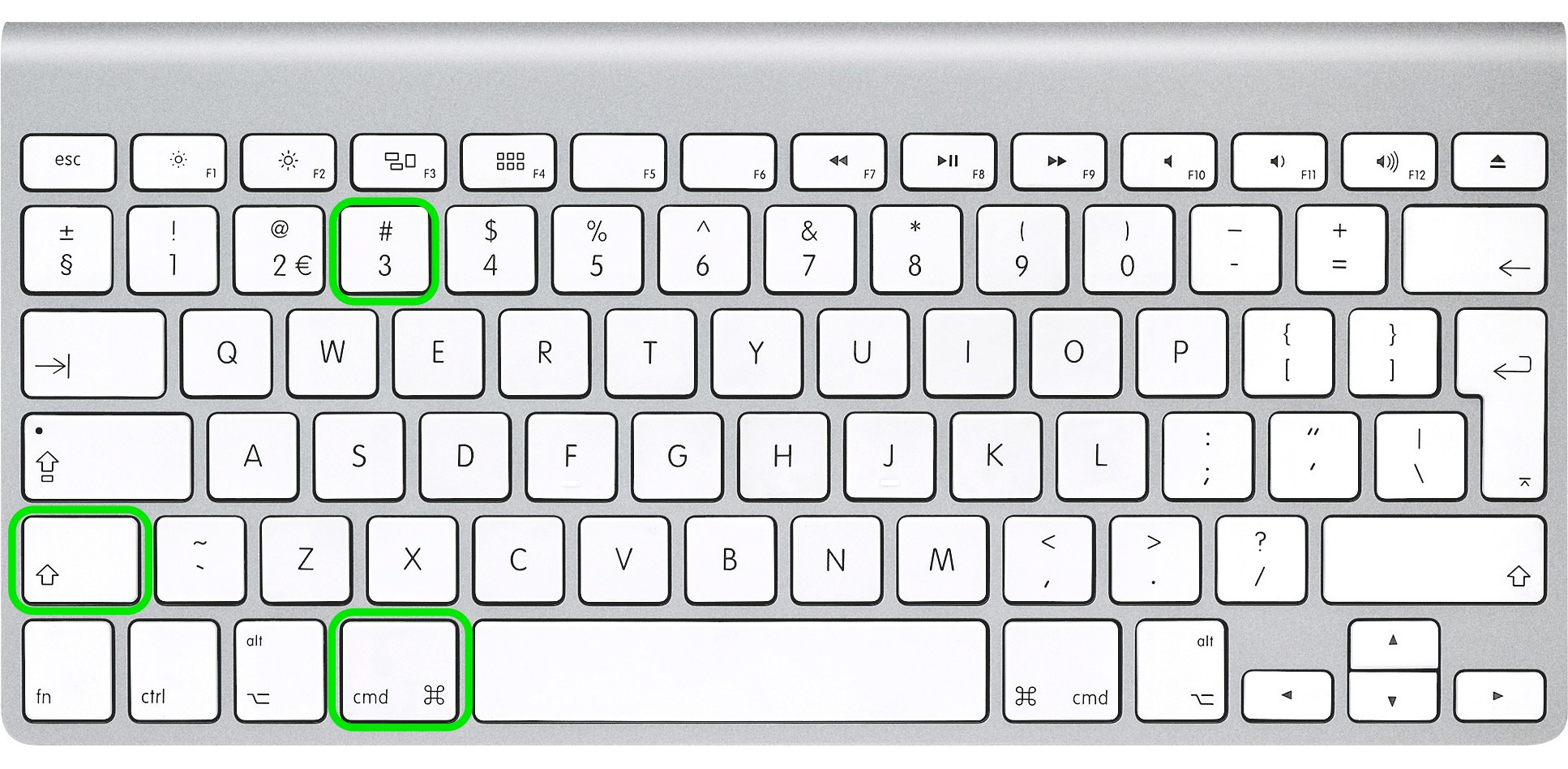
2. Method (Capture Selected Screen Area)
This method will help you capture a selected area of our screen such as the menu bar, opened applications, some part of the desktop, some application window, or anything else. This is a slightly more “advanced” method, but it is beneficial to get used to it. I use this method a lot, but you have to repeat it to memorize and learn how to use it properly on your Mac.
2.1 Capture the selected screen area and save it to the clipboard for further use in apps
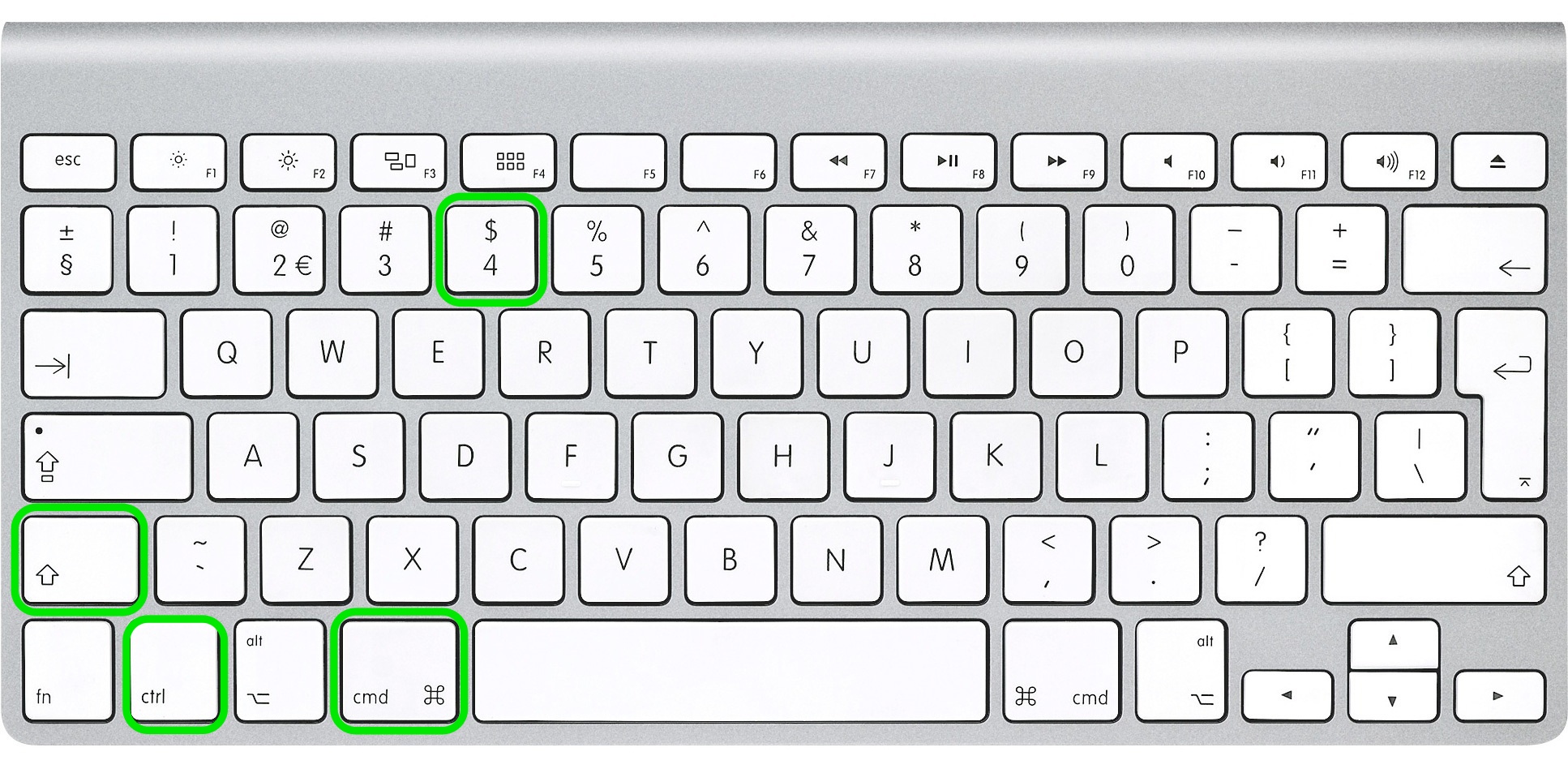
- Press the Command ⌘ + Control + Shift + 4 (for older Mac versions use Apple key ⌘+ Control + Shift + 4) all at the same time.
- You will notice that your mouse cursor changes to “+” with pixel coordinates on the right side
- Now click and drag a box around the section that you want to capture and release the mouse button when you are done
- Now screen capture is saved on the clipboard for further use in apps
2.2 Capture the selected screen area and save it to a file on your desktop
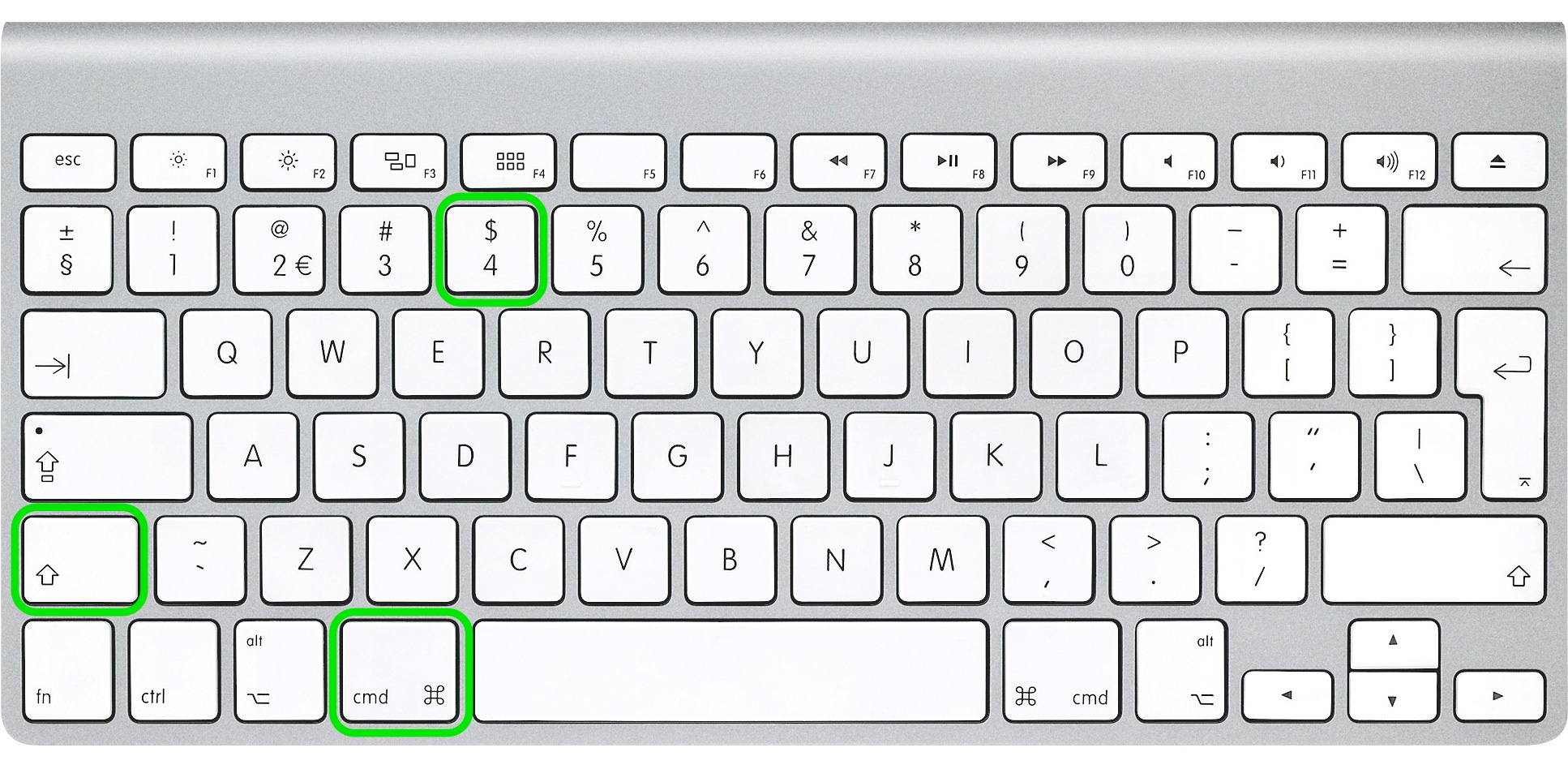
- Press the Command ⌘ + Shift + 4 (for older Mac versions use Apple key ⌘ + Shift + 4) simultaneously.
- You will notice that your mouse cursor changes to “+” with pixel coordinates on the right side
- Now click and drag a box around the section that you want to capture and release the mouse button when you are done
- Now screen capture is saved on a PNG file on your desktop (if not otherwise specified)
3. Method (Capture Particular App Window)
This method will help you save a print screen of a particular application window such as a web browser, Keynote, Pages, Numbers, or others.
3.1 Capture a screenshot of a particular app window and save it to the clipboard
- Command ⌘ + Control + Shift + 4
- You will notice that your mouse cursor changes to “+” with pixel coordinates on the right side
- Now with spacebar (that very wide button on your keyboard )
- Now click on the window you would like to capture in a screenshot
- The screenshot is now saved on your clipboard for further use in apps
3.2 Capture a screenshot of a particular app window and save it to a file on your desktop
- Command ⌘ + Shift + 4
- You will notice that your mouse cursor changes to “+” with pixel coordinates on the right side
- Now, with a space bar (that wide button on your keyboard )
- Now click on the window you would like to capture in a screenshot
- The screenshot is now saved on a PNG file on your desktop (if not otherwise specified)
As I said, there are 3 methods with 2 different outputs, and we have covered them all. Please let us know if you have trouble with these methods in the comments below.
You don’t need to memorize all these methods and the best solution here is to find the one or two that you like the most and practice for a while to memorize the theme. If you think that you will forget, make sure to bookmark this page for further reference.
Change the File Format Your Mac Uses to Save Screenshots
If you did try to use some of the methods mentioned above, you might have noticed that screenshots are saved as PNG files. Using this file format is usually okay because you will get the best image quality. Still, if you use a MacBook Pro Retina or some other 4K monitor, you will notice that screenshots can be as large as 5-8MB, which is unacceptable for sending several such files via email.
There is a solution for this: You can change the default file type for screen captures using a simple terminal command. Every installation of Mac OS X includes the Terminal, which you can find in Applications -> Utilities. Or use search to find “Terminal” faster.
This OS X function supports most major image formats, including PNG, PDF, GIF, TIFF, and JPG. We’ll go with JPG since that is common and will output a smaller image size than the default PNG.
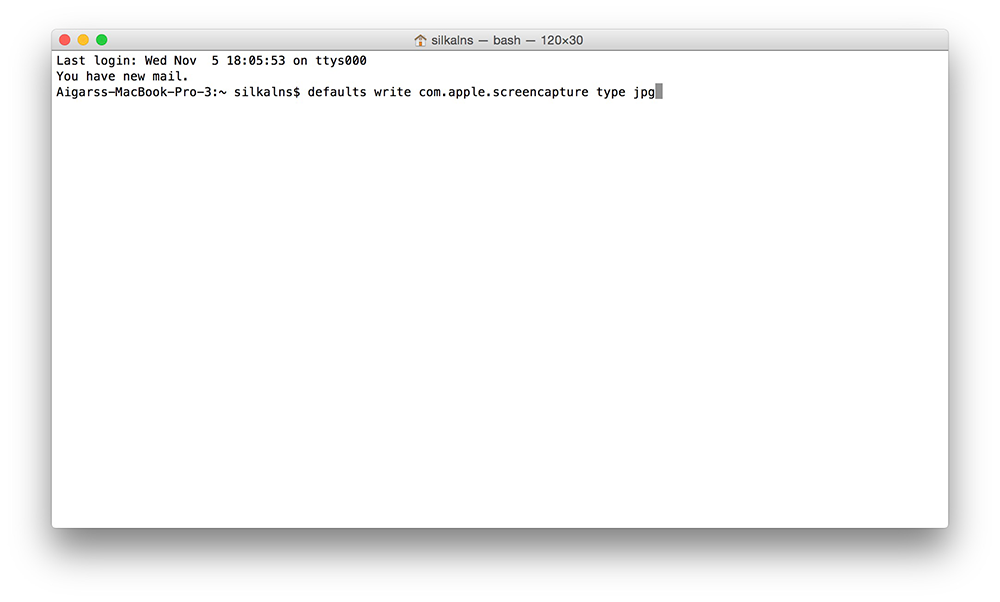
Now that you have Terminal opened copy/paste this command and hit enter (return):
defaults write com.apple.screencapture type jpg
You might have to input your Mac user password; if so, do it.
These changes will take effect after the next restart, but you can use this command to make these changes instant. Again copy/paste this command in the Terminal window and hit enter (return).
killall SystemUIServer
Screen captures will now be saved as JPG files. To change back to PNG or any other file format, repeat the process, setting ‘png’ or different as you type in the first Terminal command.
If you are looking for the original image of the Mac keyboard we used for this tutorial, you can download it from here.
More information
It has been ten years since we first published this tutorial, and over time, it has been viewed by several million users. We are glad you found it helpful and have shared it many times on social media. This tutorial is still up to date, and nothing has changed since.
Since then, we have grown a lot and now offer mockups that might be useful if you are a designer and want to combine them with screenshots you have taken using the above methods. Since there are too many mockups to list them in a single line, we are presenting them in a beautiful list:
- iMac mockups
- iPhone mockups
- iPad mockups
- Apple Watch mockups
- Computer mockups
- Mackbook mockups
Why do we even mention mockups here? Because we combine mockups with Mac screenshots to make product presentations such as these.

Related Posts




for entry: 3.2 Capture a screenshot of a particular app window and save it to a file on your desktop
this appears to cut off at the currently visible screen. So it doesn’t take a screen dump of the off-screen part of an app.
Joris,
Yes, that’s how it works. There is no built-in Mac shortcut that captures the off-screen part of a window, so you have to look for a third-party app. For web pages, I use a browser extension called Awesome Screenshot. It only works in the browser, but there are other solutions for other apps as well.
To capture contents that are off the screen, you can use Snagit. It has a scrolling window screenshot mode which enables you to capture all the contents in a scrollable window.
My MAC has lost its ability to capture print screens. Any troubleshooting tips you can offer? I updated to El Capitan, but this did not correct the problem. I used to be able to print screen with no problem.
Teri,
Make sure all the necessary keys on your keyboard work, and try the different screenshot methods to see whether any of them does anything. Also check that your screenshots aren’t being saved somewhere else, because the save location is one of the few things you can change on a Mac. For example, all my screenshots are saved directly to a Screenshots folder in Dropbox.
I have installed windows 10 on my MACbook pro, and there is no print screen button, kindly help how to print screen
Shift + fn + F11
or
Shift + fn + option + F11 and then paste it in Paint or other photo editor and save it.